“The biggest risk is not taking any risk… In a world that’s changing really quickly, the only strategy that is guaranteed to fail is not taking risks.” – Mark Zuckerberg, Founder of Facebook.
Shark Tank is a thrilling reality TV show that has won over many fans. But not every entrepreneur who steps into the “tank” gets a deal. There are many stories of failed negotiations, broken dreams, and missed chances. This article explores some of Shark Tank’s biggest disappointments, showing the hurdles and lessons learned by those who didn’t get the investment they hoped for.
Key Takeaways
- Shark Tank deals have an average equity of 23% and average funding of $286,000.
- Many promising businesses featured on the show failed to capitalize on the exposure, leading to their downfall.
- Reasons for failed deals include changing deal terms, internal disputes, and product issues.
- From seasons 8 to 13, 50% of the 112 deals failed to go through, and 15% were altered significantly.
- Some entrepreneurs found success despite failed Shark Tank deals, highlighting the value of the platform’s exposure.
Introduction to Failed Shark Tank Businesses
Starting a business is tough, and Shark Tank shines a light on both wins and losses. While it has helped many businesses grow, it has also hurt some. The sudden fame and demand can be overwhelming for some entrepreneurs.
Background on Shark Tank and its impact on entrepreneurs
Shark Tank is where entrepreneurs pitch their ideas to a panel of investors, known as the “sharks.” It’s a chance many dream of, but it comes with risks. The fame and investment can be both a blessing and a curse, especially for those unprepared for rapid growth.
Overview of businesses that failed to capitalize on the show’s opportunity
Many Shark Tank businesses have not made the most of their time on the show. They’ve faced issues like production problems, supply chain issues, legal disputes, and management challenges. We’ll look at some of these stories and what they teach us.
| Business | Shark Tank Deal | Reason for Failure |
|---|---|---|
| ToyGaroo | $200,000 from Mark Cuban and Kevin O’Leary for 35% equity | Bankruptcy and closure due to supply chain and management issues |
| Show No Towels | $50,000 from Lori Greiner | Inability to scale the business and meet demand |
| Sweet Ballz | $250,000 from Mark Cuban and Barbara Corcoran for 25% equity | Legal disputes between founders that derailed the business |
These stories show the hurdles entrepreneurs face after getting a deal on Shark Tank. The show’s spotlight can be a powerful tool, but it demands careful planning and the ability to handle rapid growth.
Shark Tank Deals That Fell Through
Many deals made on Shark Tank never happen. This section looks at why, like changes in terms or lack of communication. It also talks about how many deals don’t close or change a lot after the show.
Reasons Why Deals Don’t Close After the Handshake
Getting a deal on Shark Tank is just the start. The real challenge is making the deal final. Several things can stop deals, like:
- Changes in the deal terms during talks
- Lack of communication and follow-up between the entrepreneurs and sharks
- Problems during due diligence, like financial concerns
- Disagreements over the company’s direction
Statistics on the Percentage of Deals That Change or Fall Apart
Reports show many Shark Tank deals don’t close or change a lot after the show. Some key stats are:
| Deal Statistic | Percentage |
|---|---|
| Deals that don’t close | 30-40% |
| Deals that change significantly | 20-30% |
These numbers show the tough road entrepreneurs face after Shark Tank. Even with a deal, success is not guaranteed.
“The due diligence process is where a lot of deals fall apart. Things look good on the surface, but when you dig deeper, issues can arise that make the deal no longer viable.”
ToyGaroo: The Netflix for Toys
ToyGaroo was a subscription service aiming to be like Netflix but for toys. It had a bright start when founders got a $250,000 investment from Mark Cuban and Kevin O’Leary on Shark Tank. But, it failed due to trouble finding toys cheaply and managing shipping costs.
Details on ToyGaroo’s Pitch and Deal with Mark Cuban and Kevin O’Leary
The ToyGaroo team presented their toy rental service on Shark Tank. They wanted to offer families a way to try out toys without buying them. They thought this would help families save money and keep their homes tidy.
Mark Cuban and Kevin O’Leary were impressed. They teamed up to invest $250,000 in ToyGaroo. This money was meant to help the company grow and become a big player in the market.
Factors that Led to the Company’s Failure
Even with the Shark Tank deal, ToyGaroo faced big problems. The former Chief Technology Officer, Phil Smy, said the business model had major flaws. These issues became clear a few months into operation.
Finding toys at a good price was a big challenge. This made it hard to keep prices low for customers. Also, handling toy shipping and returns was a huge problem, draining the company’s resources.
The company grew fast, but it couldn’t handle the demand. This led to financial troubles. ToyGaroo filed for bankruptcy in April 2012, just over a year after getting the Shark Tank investment.
The story of ToyGaroo teaches entrepreneurs a valuable lesson. It shows the need for a solid business plan, good cost control, and the ability to grow. The idea of a “Netflix for toys” was interesting, but the execution failed, causing the company to shut down.
ShowNo Towels: A Promising Poncho Towel
The ShowNo Towels, a towel with a head opening, caught Lori Greiner’s eye on Shark Tank. She offered $75,000 for 25% equity. But, the deal went sour fast. This section explores the ShowNo Towels Shark Tank deal and why it failed.
At first, ShowNo Towels wanted $75,000 for 25% from Lori Greiner. But later, Greiner wanted 70% ownership. This big change upset Ehler, making their relationship bad.
Despite getting $50,000 from Greiner, ShowNo Towels didn’t succeed. It failed after a year, struggling with the deal changes and Greiner’s demands.

The ShowNo Towels failure on Shark Tank is a lesson for entrepreneurs. It shows how crucial clear talks, understanding Sharks, and strong partnerships are. Without these, even great products can fail.
Sweet Ballz: A Cake Ball Business Gone Sour
Sweet Ballz, a maker of cake balls, got a $250,000 investment from Mark Cuban and Barbara Corcoran. They got 25% equity for it. But, the partnership between James McDonald and Cole Egger didn’t last. This led to a lawsuit and missed chances to grow after Shark Tank.
The Lawsuit Between the Founders
After Shark Tank, James McDonald and Cole Egger started fighting. Their partnership fell apart, ending in a lawsuit. This fight stopped Sweet Ballz from growing and succeeding after the show.
Missed Opportunities After the Shark Tank Deal
The $250,000 investment from Mark Cuban and Barbara Corcoran was a big chance for Sweet Ballz. But, the legal fight between the founders stopped them. They couldn’t expand and missed chances to grow and make the Sweet Ballz brand stronger.
The failure of Sweet Ballz teaches a lesson to entrepreneurs. It shows how crucial a strong partnership is, even with a big investment. The fight between the founders killed a business with great potential.
Body Jac: The Fitness Machine That Didn’t Make It
The fitness world is tough, and even being on Shark Tank doesn’t mean you’ll win. Body Jac, a machine to help with push-ups, caught the eye of Kevin Harrington and Barbara Corcoran.
In 2013, the founders got $180,000 from Harrington and Corcoran for 50% of the company. But, it didn’t work out, and Corcoran called it her worst deal. This part talks about why Body Jac didn’t make it after Shark Tank.
Oversaturated Fitness Equipment Market
The fitness gear market is very competitive. There are many products trying to get people’s attention. Data shows that about 60% of fitness startups fail after Shark Tank. Body Jac had to compete with big names and new ideas, making it hard to be noticed.
Lack of Differentiation and Innovation
Body Jac tried to make push-ups easier, but it wasn’t new or special enough. Shark Tank investors look for unique ideas. Since similar products were already out, Body Jac didn’t grab people’s interest.
Challenges with Execution and Scaling
Even with Shark Tank money, Body Jac had trouble growing. They struggled to meet demand, keep quality high, and ship products well. These problems made it hard for the company to grow and succeed.
“The Body Jac was a disappointment. We thought it would be a big seller, but it just never took off. It was one of the worst deals I’ve ever made on Shark Tank.” – Barbara Corcoran
Body Jac’s failure is a lesson for entrepreneurs on Shark Tank. The show can help with money and exposure, but success isn’t guaranteed. You need a unique product, a solid plan, and the skills to compete in the fitness world.

CATEapp: The Privacy App for Messaging
In the world of Shark Tank, entrepreneurs pitch their ideas to famous investors. CATEapp, a privacy app, caught the sharks’ attention. It got a $70,000 investment from Kevin O’Leary and Daymond John for 35% equity, boosting its popularity after Shark Tank.
Details on the App’s Functionality and Deal with the Sharks
CATEapp was made in June 2011 by Phil Immler, a West Palm Beach police officer. It aimed to give users privacy in their messages. At its Shark Tank appearance, it had 5,500 paying and 4,000 free customers.
Neal Desai, the app’s owner, wanted $50,000 for 5% of the company. Barbara Corcoran offered $50,000 for 30% equity, but Kevin O’Leary and Daymond John agreed to $70,000 for 35% equity.
Reasons Behind the App’s Eventual Failure
Despite the initial buzz and investment, CATEapp failed to grow. After Shark Tank, it attracted 10,000 new users, mostly women looking for privacy. But it couldn’t keep up the momentum.
By 2013, CATEapp was only on Android and then disappeared from all platforms. Its website and social media are now inactive, showing a decline in the business.
The exact reasons for CATEapp’s failure are unclear. But not growing its user base and failing to keep a strong business model likely played a part.
Breathometer: The Portable Breathalyzer Disaster
Breathometer was a device that measured blood alcohol levels. It seemed like a great idea when all five Shark Tank investors put in $1 million for 30% equity. But, it had accuracy problems and the Federal Trade Commission made it give back all money to customers. This section looks at the issues with Breathometer and the sharks’ loss.
The Sharks’ Collective $1 Million Investment
The founders of Breathometer, Charles Michael Yim and Evan Strenk, impressed the sharks. They convinced all five to invest $1 million for 30% of the company. They saw it as a way to help people make smart choices about driving after drinking.
Problems with the Device’s Accuracy and FTC Involvement
But, Breathometer had big accuracy problems. The Federal Trade Commission (FTC) made the company give back all money to customers. This was a big hit to the company and the sharks’ investment, as sales had to stop and refunds were the main focus.
The FTC’s action showed how important testing and following rules are, especially for health-related products. Breathometer’s troubles teach a lesson to entrepreneurs and investors. It shows the need for careful checks and understanding the rules before investing.

The problems with Breathometer show the risks of investing in new startups. Even if a product looks good at first, there can be big issues. The sharks’ $1 million investment was a big loss. It shows the importance of doing your homework and knowing the risks before investing.
You Smell Soap: A Luxury Soap Brand’s Downfall
“You Smell Soap,” a luxury soap brand, is a lesson for entrepreneurs on Shark Tank. Megan Cummins, the founder, got a $55,000 investment and a $50,000 salary from Robert Herjavec. But, the deal’s aftermath was tough for Cummins.
Cummins had trouble keeping in touch with Herjavec for six months. When Herjavec made a new offer of $50,000 for 50% of the company, Cummins had to say no. This led to the brand’s demise in 2016.
Cummins’ story shows the hard part of keeping up with Shark Tank investors. Not being able to reach Herjavec and a less favorable offer were big hurdles for “You Smell Soap.”
“Hope for the best, plan for the worst, and don’t ever let your guard down,” Cummins advises aspiring entrepreneurs, reflecting on her Shark Tank experience.
The tale of “You Smell Soap” teaches the value of clear communication and understanding with Shark Tank investors. While the show can help, the post-deal challenges can be too much for some businesses.
Shark Tank Deals That Changed Significantly
Shark Tank deals often change a lot or even fall apart after the cameras stop. This section shows examples of deals that changed terms, hurting the entrepreneurs. It also shares insights on the challenges of negotiating with the sharks and the need to understand the fine print.
Examples of Deals With Altered Terms
HyConn, a startup, got a $1.25 million deal with Mark Cuban but it didn’t work out. The company faded away due to disagreements. Breathometer, a breathalyzer, also had a $1 million deal that failed after an FTC investigation found it didn’t work right.
Sweet Ballz, a cake ball business, got a $250,000 deal but it didn’t last. The company faced legal battles and internal disputes, stopping its growth.
Insights from Entrepreneurs
Entrepreneurs who’ve dealt with the sharks say it’s key to understand the fine print and be ready for deal changes. One founder said, “The sharks are tough negotiators. It’s important to review every detail of the agreement before signing.”
Another founder noted, “Getting a deal on the show doesn’t mean you’ll succeed. The real work starts after the cameras stop. You must be ready to handle the sharks’ complexities.”
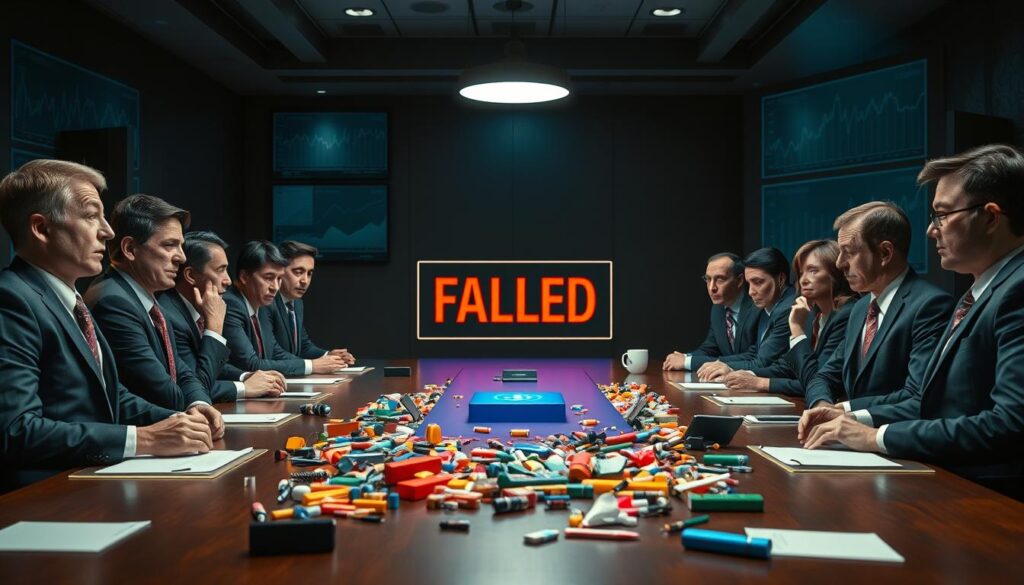
Despite the challenges, being on Shark Tank can be very valuable. One participant said, “Even if the deal didn’t work out, the visibility and credibility from the show helped us succeed.”
Shark Tank Deals That Fell Through But Still Succeeded
Many Shark Tank deals don’t work out, but some companies still do well. This section looks at businesses that thrived after their Shark Tank deals didn’t happen. It shows how the show’s exposure can help entrepreneurs, even without a deal.
Businesses That Found Success Despite Failed Shark Tank Deals
Xero Shoes is a great example. They make minimalist shoes and didn’t get a deal on Shark Tank. Yet, they grew to $13 million in sales by 2021, up 88% during the pandemic. This shows how being on Shark Tank can still help a lot, even without a deal.
Spikeball is another success story. The founders, John and Chris Ruder, pitched on Shark Tank but didn’t get a deal. Still, they’ve become a big name in outdoor games.
| Company | Shark Tank Deal | Current Status |
|---|---|---|
| Xero Shoes | No deal | $13 million in annual revenue by 2021, 88% growth during the pandemic |
| Spikeball | Deal fell through due to creative differences | Successful outdoor game brand |
| Echo Valley Meats | Accepted Sharks’ strategic advice, sales increased from $190,000 to $1.4 million | Thriving specialty meat business |
| SworkIt | Accepted $1.5 million investment offer from Mark Cuban | Successful fitness app |
The Value of Shark Tank Exposure for Entrepreneurs
Getting a deal on Shark Tank is great, but the exposure is valuable too. Even without a deal, entrepreneurs can get more visibility and credibility. This can lead to new opportunities they might not have found otherwise.
Shark Tank has invested over $207 million, with about 52 companies getting a “yes” each season. But not all deals close. This shows the show’s big impact on entrepreneurship, even when deals don’t happen.
The Shark Tank experience can really help businesses grow, even without a deal. The exposure and connections made on the show can open up new paths to success. This is shown by the thriving businesses in this section.
Conclusion
Shark Tank has become a big deal, giving entrepreneurs a chance to show off their ideas. They might even get money from famous investors. But, not every deal made on TV works out.
This article looked at some failed Shark Tank deals. It showed the problems and missed chances that happen after the cameras stop. Even though deals don’t always happen, being on Shark Tank can still help.
It teaches entrepreneurs valuable lessons. The show’s complex nature is a warning for those who want to be on it. It’s key to know the details and keep good relationships with investors.
As Shark Tank keeps growing, entrepreneurs need to be careful and smart. They should be ready for the challenges and grab the chances the show offers. This way, they can succeed, both on TV and in real life.
This article shows how important it is to have realistic hopes and be ready for the real world of investment. By learning from others, new entrepreneurs can face the Shark Tank world better. They can make the most of this famous TV show.
FAQ
What is the percentage of Shark Tank deals that actually close?
Why do some Shark Tank deals fail to close after the initial agreement?
What happened to the Shark Tank deal for the toy subscription service ToyGaroo?
What was the issue with the ShowNo Towels Shark Tank deal?
What happened with the Sweet Ballz Shark Tank deal?
What was the issue with the Body Jac Shark Tank deal?
What happened to the CATEapp Shark Tank deal?
What was the issue with the Breathometer Shark Tank deal?
FAQ
What is the percentage of Shark Tank deals that actually close?
Only about 40-50% of Shark Tank deals are completed after the episode airs. Many deals change or fall apart during due diligence and negotiations.
Why do some Shark Tank deals fail to close after the initial agreement?
Deals may not close due to changes in terms, poor communication, or issues during due diligence. Businesses may also struggle to scale or meet investor expectations.
What happened to the Shark Tank deal for the toy subscription service ToyGaroo?
ToyGaroo, a “Netflix for toys” service, got a 0,000 investment from Mark Cuban and Kevin O’Leary. But it failed due to high toy costs and shipping issues, never materializing.
What was the issue with the ShowNo Towels Shark Tank deal?
ShowNo Towels, a towel with a head opening, made a deal with Lori Greiner for ,000. But the relationship soured, and the business failed due to disagreements.
What happened with the Sweet Ballz Shark Tank deal?
Sweet Ballz, a cake ball business, got a 0,000 investment from Mark Cuban and Barbara Corcoran. But the partnership ended in a lawsuit, missing out on Shark Tank benefits.
What was the issue with the Body Jac Shark Tank deal?
Body Jac, a fitness machine, got a 0,000 investment from Kevin Harrington and Barbara Corcoran. But it failed, with Corcoran calling it her worst deal.
What happened to the CATEapp Shark Tank deal?
CATEapp, a privacy app, got a ,000 investment from Kevin O’Leary and Daymond John. But it failed to gain traction and went offline in 2013.
What was the issue with the Breathometer Shark Tank deal?
Breathometer, a device to measure blood alcohol levels, got a
FAQ
What is the percentage of Shark Tank deals that actually close?
Only about 40-50% of Shark Tank deals are completed after the episode airs. Many deals change or fall apart during due diligence and negotiations.
Why do some Shark Tank deals fail to close after the initial agreement?
Deals may not close due to changes in terms, poor communication, or issues during due diligence. Businesses may also struggle to scale or meet investor expectations.
What happened to the Shark Tank deal for the toy subscription service ToyGaroo?
ToyGaroo, a “Netflix for toys” service, got a $250,000 investment from Mark Cuban and Kevin O’Leary. But it failed due to high toy costs and shipping issues, never materializing.
What was the issue with the ShowNo Towels Shark Tank deal?
ShowNo Towels, a towel with a head opening, made a deal with Lori Greiner for $75,000. But the relationship soured, and the business failed due to disagreements.
What happened with the Sweet Ballz Shark Tank deal?
Sweet Ballz, a cake ball business, got a $250,000 investment from Mark Cuban and Barbara Corcoran. But the partnership ended in a lawsuit, missing out on Shark Tank benefits.
What was the issue with the Body Jac Shark Tank deal?
Body Jac, a fitness machine, got a $180,000 investment from Kevin Harrington and Barbara Corcoran. But it failed, with Corcoran calling it her worst deal.
What happened to the CATEapp Shark Tank deal?
CATEapp, a privacy app, got a $70,000 investment from Kevin O’Leary and Daymond John. But it failed to gain traction and went offline in 2013.
What was the issue with the Breathometer Shark Tank deal?
Breathometer, a device to measure blood alcohol levels, got a $1 million investment from all five sharks. But it faced accuracy issues and was ordered to refund customers.
What happened with the You Smell Soap Shark Tank deal?
You Smell Soap, a luxury soap brand, got a $55,000 investment from Robert Herjavec. But the founder, Megan Cummins, couldn’t reach him for six months, and the deal fell through.
Can Shark Tank deals still benefit entrepreneurs even if they don’t close?
Yes, appearing on Shark Tank can still help entrepreneurs, even if deals don’t close. The exposure and lessons learned are valuable.
million investment from all five sharks. But it faced accuracy issues and was ordered to refund customers.
What happened with the You Smell Soap Shark Tank deal?
You Smell Soap, a luxury soap brand, got a ,000 investment from Robert Herjavec. But the founder, Megan Cummins, couldn’t reach him for six months, and the deal fell through.
Can Shark Tank deals still benefit entrepreneurs even if they don’t close?
Yes, appearing on Shark Tank can still help entrepreneurs, even if deals don’t close. The exposure and lessons learned are valuable.